
seismic wire, also known as geophones, plays a vital role in detecting and monitoring seismic activity such as earthquakes. These devices are equipped with sensors that can detect ground vibrations caused by seismic waves, providing crucial data for scientists and researchers to analyze and understand the behavior of the Earth’s crust. In this article, we will delve deeper into the world of seismic wire and explore its significance in earthquake detection and monitoring.
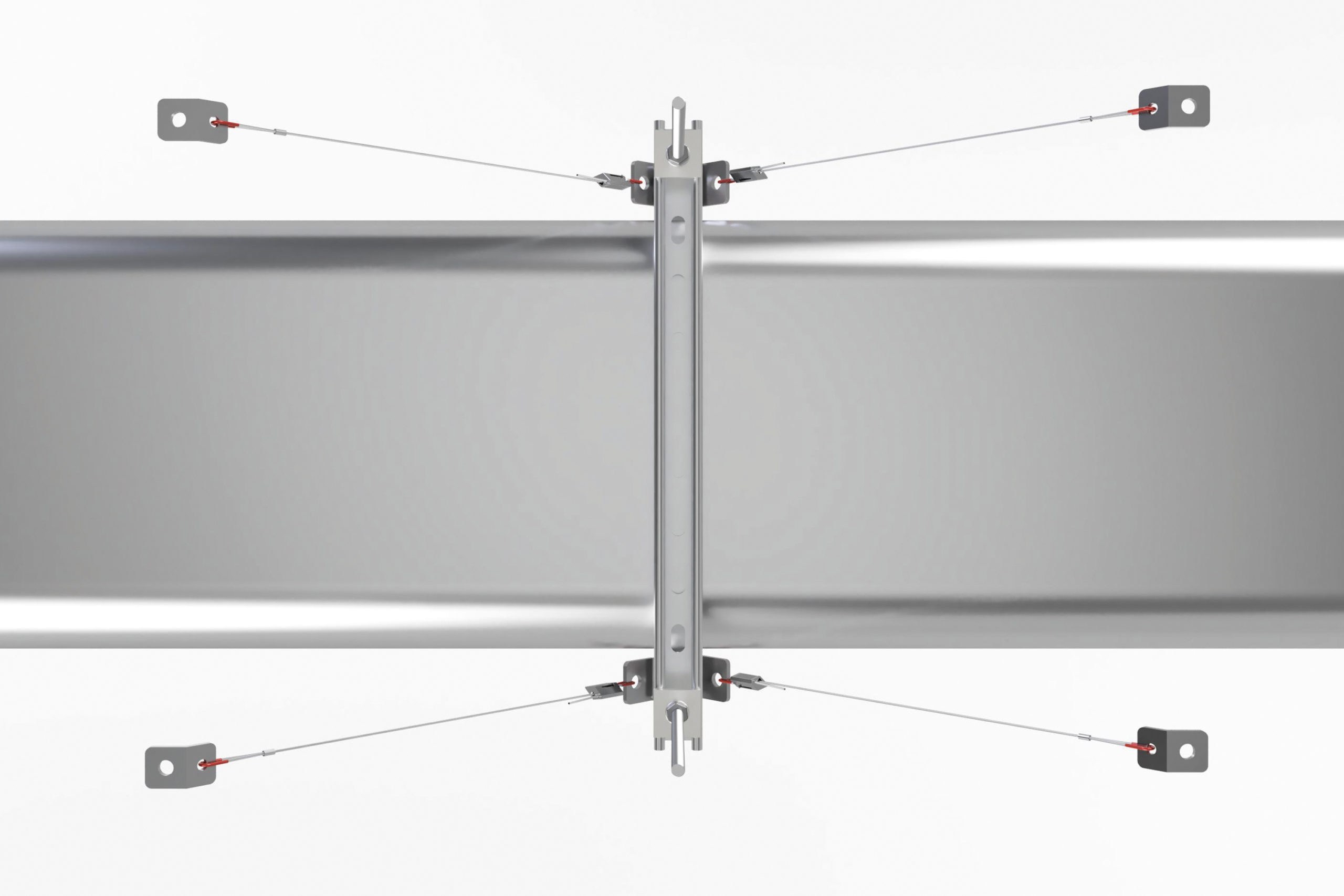
seismic wire consists of tiny vibration sensors that are buried underground to measure movement within the Earth’s crust. These sensors are connected to a central recording unit that collects and analyzes the data captured by the geophones. When an earthquake occurs, seismic waves travel through the Earth, causing the ground to vibrate. These vibrations are detected by the geophones, which then transmit the data to the recording unit for further analysis.
One of the key advantages of seismic wire is its ability to detect earthquakes in real-time. This technology allows scientists to monitor seismic activity continuously and provide early warnings to communities at risk of potential earthquakes. By analyzing the data collected by seismic wire, researchers can also gain valuable insights into the causes and effects of earthquakes, helping them to develop better strategies for earthquake preparedness and mitigation.
seismic wire is crucial not only for detecting earthquakes but also for monitoring aftershocks. After a major earthquake occurs, the Earth’s crust may continue to experience smaller tremors known as aftershocks. These aftershocks can cause further damage and pose a threat to communities already affected by the initial earthquake. Seismic wire provides scientists with the tools to monitor these aftershocks and assess their impact on the surrounding area, helping to improve disaster response and recovery efforts.
In addition to detecting earthquakes and aftershocks, seismic wire is also used in the field of seismology to study the Earth’s internal structure and processes. By analyzing the data collected by geophones, scientists can map the distribution of seismic waves within the Earth and gain a better understanding of its composition and properties. This information is valuable for studying tectonic plate movements, volcanic activity, and other geophysical phenomena that shape the Earth’s surface.
Seismic wire is a versatile tool that can be deployed in various environments, including urban areas, remote regions, and underwater. These devices are designed to withstand harsh conditions and provide reliable data even in challenging environments. Whether monitoring seismic activity in a busy city or a remote mountain range, seismic wire offers a cost-effective and efficient solution for earthquake detection and monitoring.
In recent years, advancements in technology have led to the development of wireless seismic wire systems that offer greater flexibility and ease of deployment. These wireless systems eliminate the need for physical cables, making them easier to install and maintain in the field. By leveraging wireless technology, scientists can now deploy seismic wire networks more quickly and efficiently, enhancing their ability to monitor seismic activity in real-time.
As our understanding of earthquakes and their impact on the environment continues to evolve, the importance of seismic wire in earthquake detection and monitoring cannot be understated. These devices provide invaluable data that helps scientists and researchers to better predict, prepare for, and respond to seismic events. By investing in seismic wire technology, we can improve our ability to protect communities at risk of earthquakes and minimize the impact of these natural disasters.
In conclusion, seismic wire plays a crucial role in detecting and monitoring seismic activity, providing valuable data that helps scientists and researchers to understand earthquakes and their effects on the Earth’s crust. With advancements in technology and the development of wireless systems, seismic wire continues to be an indispensable tool in earthquake detection and monitoring. By harnessing the power of seismic wire, we can improve our ability to predict, prepare for, and respond to earthquakes, ultimately saving lives and safeguarding communities from the devastating effects of these natural disasters.